Obesity is one of the most common nutritional diseases in cats. It is considered that at least 40% of cats in the world are obese. The worrying thing is that most of these cats have not been treated or receive any medical attention for this condition. In this article you will find the causes, how to prevent it, how to combat it, errors in eating and other topics of interest that will help you understand the impact of this disease.
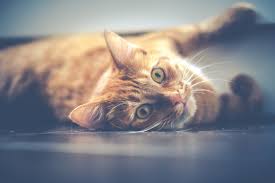
You may also be interested in: How to cut a cat’s nails?
WHAT IS OBESITY?
Obesity is defined as a body mass index greater than 20% of the ideal weight, thus being an excessive accumulation of fat in the adipose deposit areas of the body. It is a chronic, complex and multifactorial disease and has its origin in a genetic and environmental interaction, in the case of cats the environmental or behavioral factor has more implication, this is established by the lack of balance in energy intake and expenditure, since the calories have more place than their expenditure.
Currently it is a disease that has become normalized, it has come to be considered an epidemic and this is thanks to the large number of cases in the world, thus being the greatest nutritional concern in the clinic of small species.
Cute domestic cat sitting in front of a door during daytime Free Photo
CAUSES OF OVERWEIGHT
There are different morphological factors that predispose our cats to suffer from this disease. We show you 7 of them:
Age It is very common for age to influence, as studies reveal that cats between 5 and 11 years old have a higher risk of obesity or are already with this condition, therefore preventive measures in this case are of the utmost importance for that does not transcend and go to extremes.
It has been proven that the sex of cats influences, males for example tend to be those that increase more in body mass, although it is not exclusive, in fact, the nutritional factor influences more, however there are more males with this disease.
The reproductive state: By sterilizing your cat it is exposed to gain weight, all this due to hormonal suppression that increases the appetite. When a cat is sterilized its energy needs decrease by at least 20%
Genetic predisposition can be a major cause. Mestizo or “criollo” cats tend to be more overweight than purebred best cat food in bd cats, however there are some that are genetically exposed to suffering from the disease. These are: the Maine Coon, the Norwegian Forest Cat, the Neva Masquerade and the Cornish Rex.
Endocrine factors affect, for example, the use of chemical contraceptives (which are not recommended at all) can alter the hormonal profile of the cat, which reduces insulin sensitivity and predisposes the body to the accumulation of fat. Other diseases such as hypothyroidism can also be present after an obese cat.
Physical activity is one of the most influential factors, since sedentary cats that do not perform any type of activity have a greater risk of suffering from excess body weight
The most important thing is diet, some studies reveal that high-end foods without a correct dosage are a risk for obesity. Feeding the cat will also be one of the important factors in treating this disease.
Obese cats can develop diabetes
ASSOCIATED DISEASES
As mentioned, obesity is multifactorial and is what makes it dangerous, as this condition can trigger multiple disorders and pathologies. In general, obesity can reduce your cat’s quality and life expectancy. It will become more difficult for you to play and move around, even surgical procedures or checkups will become more difficult.
Cholesterol
Diabetes
Fatty liver
Hypertension
Respiratory insufficiency
Infectious diseases of the urinary tract
Joint disease
Exercise intolerance
Decreased immune system response
All these diseases are extremely delicate, they can compromise the life of the cat. From cardiovascular problems to mental burnout, there are many serious and life-changing health risks for overweight and obese cats.
HOW DO I KNOW MY CAT IS OBESE?
In various studies, body fat levels in healthy and lean cats range between 13 and 20%, so the ideal weight in cats is still, to some extent, subjective. Therefore, the simplest way to assess the degree of obesity or thinness of a cat in the clinic is to evaluate its body condition (CC). For this, a 5-point scale is probably the most representative and practical to use in routine examinations. Where on the 1/5 scale it is very thin, up to 5/5 which would be obesity.
TREATMENT
To determine how to aid in the treatment of this common cat disease, it is important to understand the mechanisms, underlying factors, and the role of the owner and veterinary team in initiating and following a cat reduction program. body weight.
As long as the owner is involved, the foundation of obesity treatment is nutritional management. Currently, weight loss diets not only provide less energy (due to their low fat content) while helping to maintain muscle mass (due to their protein intake), but they can also provide other benefits such as a greater feeling of satiety. This is due to the quantity and combination of fibers. You have to be strict with rationing, encourage exercise and make follow-up controls, without forgetting a suitable environment and respecting the ethogram of the cat.
WHAT IS THE CAT ETOGRAM?
The ethogram is the analysis and evaluation of the behavior or actions manifested by an animal; This manages to describe the patterns of behavior in situations that are everyday or familiar. In the case of the cat they are:
COMER
Cats eat to fully satisfy their energy demands and in the wild they do so ad libitum. The prey is often brought to the den where it will be consumed in a safe environment. Except during maternal care, a cat does not share its prey with others.
CLEANLINESS
The cat can dedicate up to 30% of waking hours to grooming. It is a social activity that also serves as a stress-regulating mechanism.
SLEEP
In nature they sleep about 12 hours, although domestic cats sleep between 12 and 18. This means that their activity is concentrated in relatively short periods of wakefulness.
HUNT
The cat is a lonely hunter. When it only feeds on what it hunts, it takes between 6 and 8 hours of daily activity.
HOW I HELP MY CAT?
Knowing the risks that obesity brings in our felines and everything that it entails, it is better to prevent it. The intention of all weight loss programs is to achieve a negative energy balance, this means that energy expenditure must be increased (through exercise) and energy consumption must be reduced. If you consider that your cat is one step away from obesity or overweight, keep these data in mind:
Obese cats – Activity
OWNER EDUCATION
All this problem brings us to the same place, and that is that the nutritional management and the lifestyle that the cat leads is exclusively the responsibility of the owner. It is important to request professional advice, get informed, and above all; stop romanticizing a disease with a high mortality rate. The owner should consider the following:
How to tell if your cat is overweight or obese
The consequences of obesity on the health and well-being of the pet;
Your cat’s daily energy needs and current energy consumption;
The importance of strictly following the diet plan and avoiding the supply of food supplements.
EXERCISE
It is difficult to increase the amount of exercise a cat gets. However, it is possible to enhance the natural behavior of the cat to stimulate physical activity:
Curiosity : Enrich the environment to motivate the cat to explore it (garden, windows, boxes, possibility of climbing, channels)
Hunting: Simulate the hunting activity with the game (mouse, balls, feathers on the end of a stick)
FEEDING
Convince the cat to follow the owner in order to obtain the food and use food dispensing balls such as the Advance Veterinary diets ball.
High protein, low starch diet; Increasing dietary protein at the expense of starch has numerous advantages for an obese cat such as improving body composition, allowing greater energy consumption and improving insulin sensitivity.
Another way to achieve energy dilution is to increase dietary fiber. Additionally, fiber can increase feelings of fullness. Some types of fiber, due to their particular physical properties, are especially powerful when it comes to satiety.
RECOMMENDATIONS
As we care about the well-being of your pet, we want to recommend some products that will help you in this process, regardless of what state your pet is in, it will serve from the prevention process to whether you already have a cat with the aforementioned conditions
Cat food Hill’SR / D- E s low in calories and fat to help facilitate weight loss. It has a good amount of fiber that contributes to satiety and reduces appetite in adult cats.
Hills cat W / D- This concentrate was created thinking about favoring weight control in obese cats or those with a tendency to obesity.
Hills Cat Metabolic- Helps with weight loss and maintenance both in clinical studies and in the home of pets.
Balance Cat Veterinary Obesity And Diabetic- It has a high content of soluble and insoluble fiber that improves intestinal transit and generates a feeling of satiety.
Vet Life Cats Obesity- It is a complete dietary food intended for adult cats to achieve a reduction in body weight
The results of all the studies carried out around the world indicate that obesity in cats is a growing problem, as it is in the human population, to which many risk factors contribute. It can have a serious and lifelong impact on a cat, affecting its health, quality of life and bodily functions. It is essential to recognize the importance of the owner’s participation, and that prevention requires the development of various intervention strategies if this is not to be achieved.




 watershopbd.game.blog