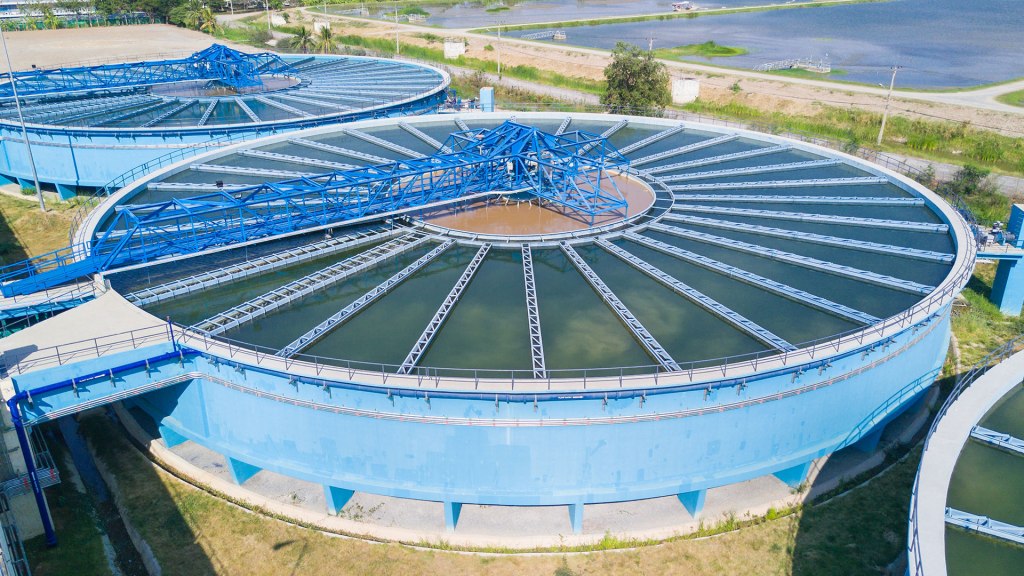
In charge of significantly more than 40% of diseases all around the world, water contamination and waterborne diseases certainly are a huge problem. We see on television and hear in the news headlines about how precisely bad the water supply is in third world countries, but do we really understand the significance of experiencing clean, treated water? Protecting us from cholera, typhoid and even contaminants like iron, calcium and magnesium, water treatments help give us clean water right from the tap.
Potable Water
Potable water is defined as being odour-free, safe and disease-free. Ground water, surface water from a reservoir or stream and rainwater are all common sources, but these aren’t always guaranteed to be without contaminants and bacteria. In many urban centres it’s the job of local council to ensure water is potable and safe for use.
Industrialization commonly causes contamination of water sources from discharge of toxic waste and other pollutants. Water that is naturally sourced can also contain foreign contaminants from soils, clays and heavy metals. With no proper water treatment system of facilities to ensure that these impurities are removed, waterborne diseases can spread through contaminants quickly and easily. Garbage Truck Supplier In Bangladesh
Treating Water
For individuals trying to treat water in their particular household, boiling and filtering is generally enough to obtain the job done. Water that has been boiled between five and ten minutes should be free from all bacteria as well as calcium and carbon dioxide. Other chemical impurities will find their way through the boiling process and are sometimes difficult to eliminate with no filter.
 watershopbd.game.blog